How do you choose a defence branding agency for a hardware or AI company?
How do you choose a defence branding agency for a hardware or AI company? Pick one that studies your product, builds a strict visual system from it, builds the website too and is careful with every claim, and make sure you know who does the work.
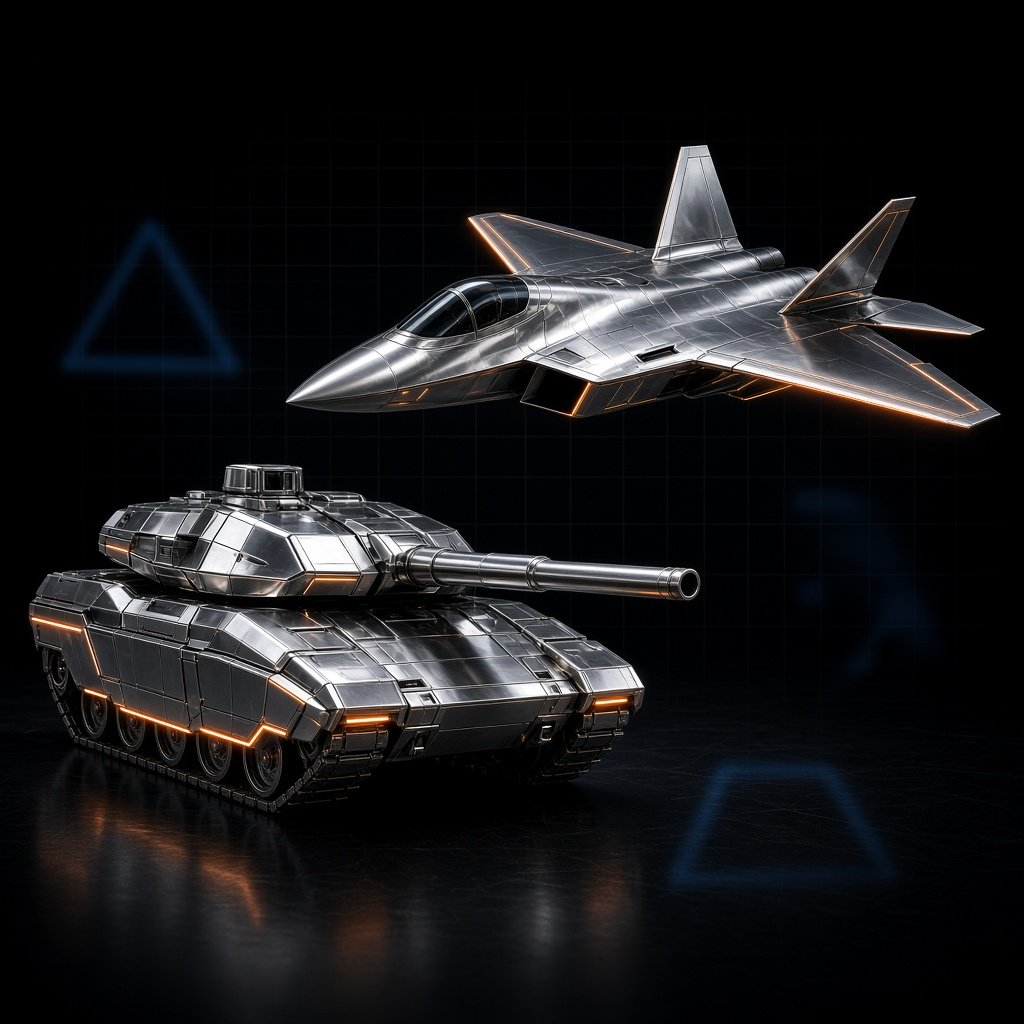
A defence branding agency should be able to show the exactness of your product in the brand before a contractor reads a single spec sheet. Look for one that studies your hardware, builds a strict visual system from it, and puts a technical website behind it.
This post is for founders of hardware, AI and frontier tech companies who want to sell to defence and aerospace buyers. Here is what I would check before hiring anyone, including me.
What does a defence branding agency actually do?
It turns precision into something people can see. That means a grid, a type system, a colour palette, an image style and the rules for using them, so every page, deck and datasheet looks like it came from the same exact process.
The visuals are the output. The work underneath is deciding what your company needs to be believed for, then making sure nothing on the page contradicts it.
Why do defence and aerospace buyers judge a brand so quickly?
This is my opinion, not data: a contractor checking a new supplier is looking for signs of risk, and a loose brand reads as a loose process. Mismatched fonts, vague claims and a site that hides what you make all suggest the engineering might be just as untidy.
Technical founders often present the technology researcher to researcher, so the company reads like a lab, not a supplier that can deliver. I call that The Academic Trap. In a sector where buyers are cautious by default, I would not count on their patience.
What does a defence branding project look like in practice?
The MTI Aerospace & Defence case study is my published example. MTI is a specialised European manufacturer of mission-critical enclosures for the defence and aerospace sectors. They needed a visual shift that communicated the exactness and reliability of their manufacturing process to high-level defence and aerospace contractors.
I started with the physical product. I studied the geometry of their aerospace components and built the system on strict structural grids and high-tolerance design principles. Their Aluminium Salt Bath Brazing process demands absolute control, so I translated that into a digital system using industrial typography and heavy metallic contrasts.
What I delivered was a modernised brand visual system and a technical web platform that honours their legacy while signalling precision-engineering leadership. I am not claiming contracts or results from it. The case study doesn't, and neither will I.
How does this apply to a hardware or AI company?
The job is the same: show the exactness of the thing you sell. For a chip, a sensor, a compute system or an enclosure, that means the brand takes its structure from the product, keeps claims precise and tells one story across the brand, website and deck. I wrote about why the last two have to match in Your Deck and Your Website Are One Document.
The AI side needs a straight answer from me. My published defence and aerospace work is MTI. I have no published AI client work, and I won't claim an AI-hardware track record. What I can offer is the same approach, plus my view on the investor side in my post on why AI infrastructure founders should lead with the market problem, not the architecture.
What should you look for before you hire a defence branding agency?
It studies the physical product. Ask what they would want to see, hold or measure before designing anything. If the answer is a mood board, keep looking.
It builds a strict system, not a mood board. You want grids, type rules and usage rules your own team can follow without calling the designer every time.
It builds the website too. A buyer will check your site. A brand that only lives in a PDF doesn't help. Ask who builds it and whether your team can edit it afterwards.
It is careful with claims. Anything about security, certification or performance goes in only if you can back it up. A good agency asks for the evidence and leaves out the rest.
You know who does the work. Ask whether the person on the first call is the person who designs.
FAQ
What does a defence branding agency do?
It builds the visual and verbal identity for a company that sells into defence and aerospace: the claim, the visual system and the website, so buyers see an exact, reliable supplier.
How is branding for defence and aerospace different from other deep tech?
In my view, the audience is more cautious and the claims need more care. A defence contractor is more likely to look for evidence that you are dependable than for ambition.
Do I need an agency with defence contracts behind it?
Not necessarily. It matters more that they study your product, are careful with claims and can show published work in your sector. If your project involves restricted material or security clearance, ask about that directly. I make no claims there.
Can a brand help a hardware or AI company win defence contractors?
A brand won't win a contract by itself. Product, compliance and price decide that. What a brand can do is stop you being ruled out early because of how the company looks or how vaguely it explains what it makes.
How long does a brand and website take for a hardware company?
It depends on scope: how many pages, how much technical content and how many revision rounds. I scope it after a first conversation, so you have a clear plan before anything starts.
Can you work with a defence company outside the UK?
I work with founders in other time zones, with calls at times that suit them and WhatsApp in between. My only published defence work is MTI, and I can't advise on export or security restrictions, so check those with your own compliance team.
How does Marshall Studio work with defence and aerospace founders?
Marshall Studio is me, Nathan Marshall. You share a mood board, I design in Figma, and you get two rounds of revisions with the changes listed clearly. I build in Webflow once the design is signed off. You work with me directly, and you can message me on WhatsApp when something comes up.
If you make hardware or AI infrastructure for defence and aerospace buyers and your brand doesn't yet show how exact the product is, that is the problem I work on.
Ready to tell your story
Let's build a narrative that moves people and drives results